A whale moves $7.8M to Binance at 3 AM. A token pumps 200% while you're in a meeting. Prediction market odds shift overnight on breaking news.
If you're not watching, you're missing it. But you can't watch 24/7. Your agent can.
What a crypto tracking agent does
Your agent monitors everything you care about, around the clock:
- Token prices across Ethereum, Solana, and Base
- Whale wallets — alerts on large movements
- Prediction markets — odds shifts on Polymarket
- Social sentiment — crypto Twitter, Reddit, Telegram groups
- News — cross-references on-chain data with breaking news
When something significant happens, you get a Telegram alert with context. Not just "ETH moved 5%" but why it moved and what it means.
A real scenario
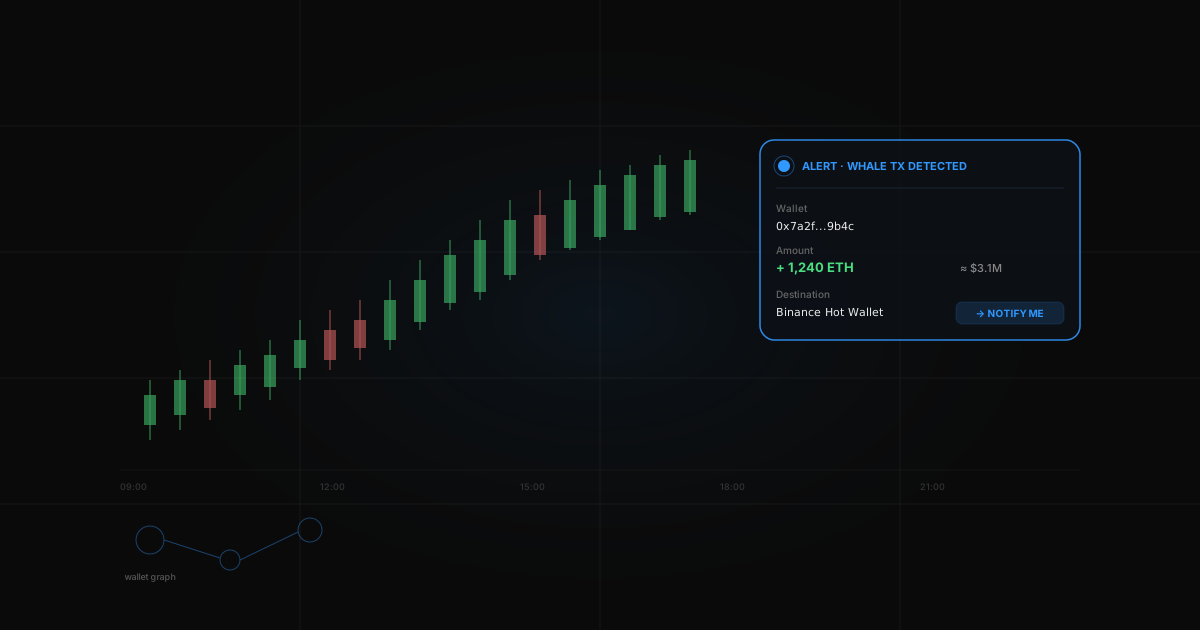
You're tracking several whale wallets. At 3 AM, one moves 2,400 ETH ($7.8M) to a Binance deposit address.
Your agent:
- Catches it instantly
- Cross-references the wallet's history (this whale has sold within 48 hours of exchange transfers every time)
- Checks market sentiment and order book depth
- Sends you a Telegram alert with all this context
You wake up, see the alert, set a stop-loss. Three hours later, ETH dips 12%. You were protected because your agent was watching.
How to set it up
- Deploy your agent and connect Telegram
- Tell it which tokens, wallets, and markets to monitor
- Set alert thresholds — price movements, whale transfers, prediction market shifts
- Receive daily portfolio summaries and real-time alerts
Daily briefings vs. real-time alerts
Your agent does both:
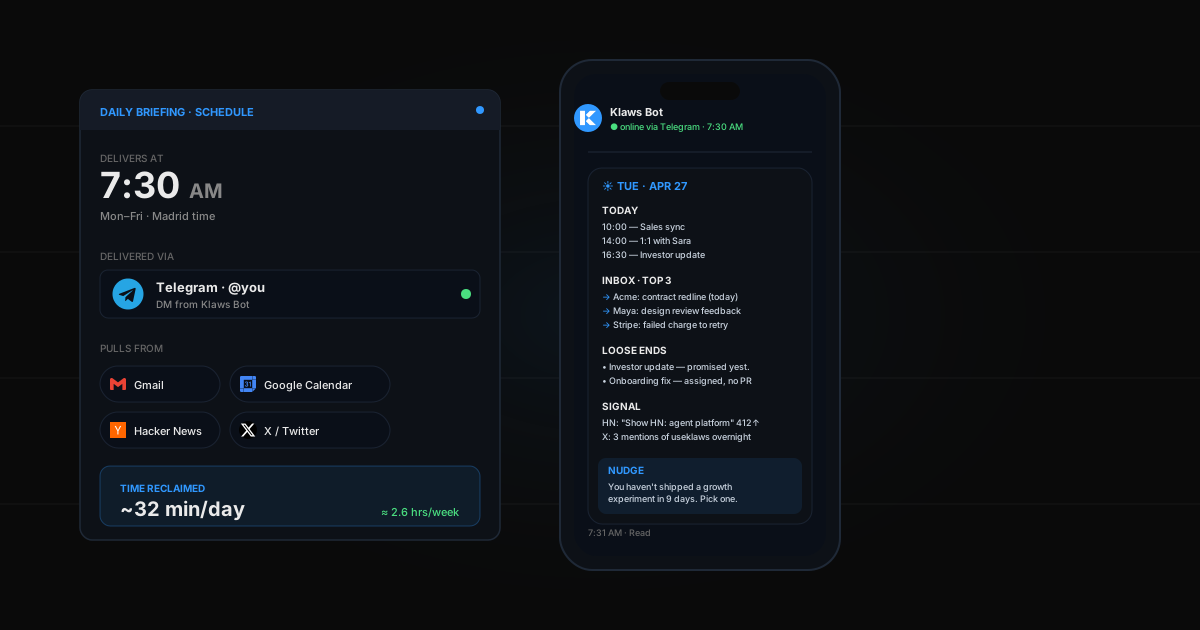
- Every morning: portfolio summary with P&L breakdown, market sentiment, top movers
- Real-time: whale movements above your threshold, sudden price drops, prediction market swings
You choose what's worth a Telegram buzz and what can wait for the morning report.
Why an agent beats a dashboard
Dashboards show you data. Agents interpret data. Your agent doesn't just say "ETH dropped 5%." It says "ETH dropped 5% after a whale moved 2,400 ETH to Binance — historically this wallet sells within 48 hours." New to agents? Learn how to deploy your first one in 60 seconds.