In fast-moving markets, information is advantage. But manually tracking competitors — checking websites, reading blogs, monitoring social media, scanning job boards — takes hours every week. Most founders do it sporadically, if at all.
An AI agent does it continuously. Here's how to set one up.
What to monitor
A good competitive intelligence setup tracks five things:
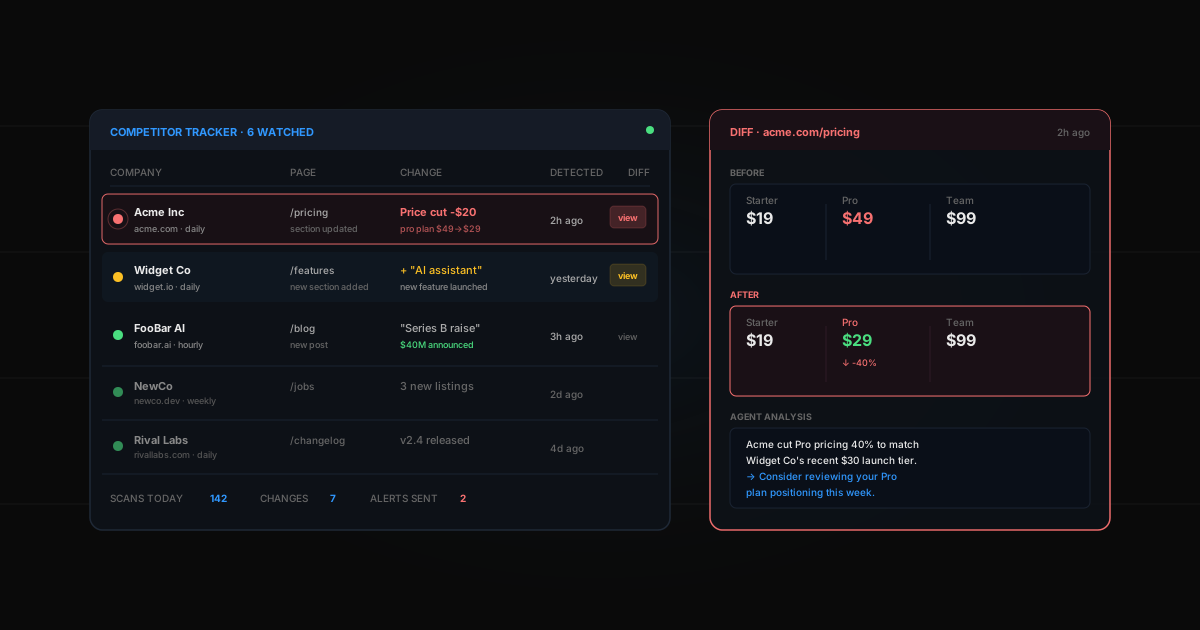
- Website changes — new features, pricing updates, messaging shifts
- Social media — what they're posting, how their audience reacts, what narratives they're pushing
- GitHub activity — for open-source competitors, commit frequency and focus areas reveal roadmap priorities
- Job postings — hiring patterns signal where they're investing (new market? new product line? scaling sales?)
- Press and mentions — Hacker News, Reddit, Product Hunt, industry blogs
Setting it up in Klaws
1. Define your watchlist
Tell your agent which competitors to track. Be specific:
"Monitor Acme Corp (acme.com), Widget Inc (widget.io), and FooBar (foobar.dev). Check their websites, X accounts, GitHub orgs, and job boards daily."
2. Set your briefing schedule
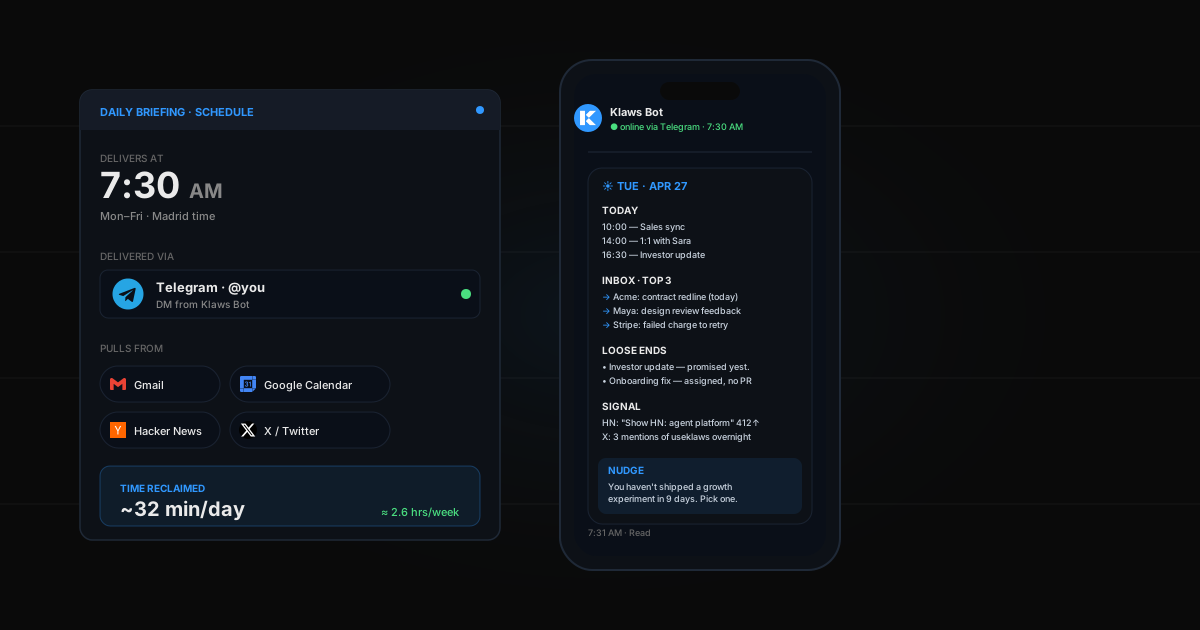
Most users get a weekly email briefing every Monday morning. But you can also set real-time alerts for major events:
"Send me a Telegram alert immediately if any competitor changes their pricing or launches a new feature. Weekly email digest for everything else."
3. Tell it what matters
Not all changes are equal. Help your agent prioritize:
"I care most about pricing changes and new feature launches. Job postings are nice-to-know. Social media is low priority unless engagement spikes."
4. Ask follow-up questions
Your agent remembers everything it's seen. Ask it anything:
- "What did Acme ship in the last 30 days?"
- "Compare our pricing to the market average"
- "Which competitor is growing fastest on social media?"
- "Has anyone in our space raised funding recently?"
Why this beats manual tracking
- Coverage — your agent checks every source, every day. You check when you remember.
- Speed — changes are caught within hours, not weeks.
- Context — the agent cross-references multiple signals. A pricing drop + layoffs + pivot messaging = a strategic shift your team should discuss.
- Memory — everything is logged. Six months from now, you can ask "what changed in Q1?" and get an instant answer.
The compound effect
Most competitive insights aren't dramatic. It's the small signals — a tweak to their onboarding flow, a new integration they shipped, a job posting for a "Head of Enterprise" — that, combined, reveal where your market is going.
An agent catches them all. You just read the briefing. Want to go further? Learn how to use your agent as a full research assistant.